← Back to Blog
Market Trends
Reading, Pennsylvania Has the Best Online Reviews Real Estate Market Guide: Prices, Neighborhoods and Timing
By Adam Jacobini
Coldwell Banker Realty · DRE# RS345576
September 27, 2026 · 10 min read
Reading, Pennsylvania has earned a growing reputation among home buyers and sellers looking for an honest, detailed real estate market guide covering prices, neighborhoods, and timing. This article breaks down what the Reading, PA market looks like right now in September 2026, where prices stand across different parts of the city and surrounding Berks County, and how to think about the calendar when you are ready to move.
1. What the Reading, PA Real Estate Market Looks Like Right Now
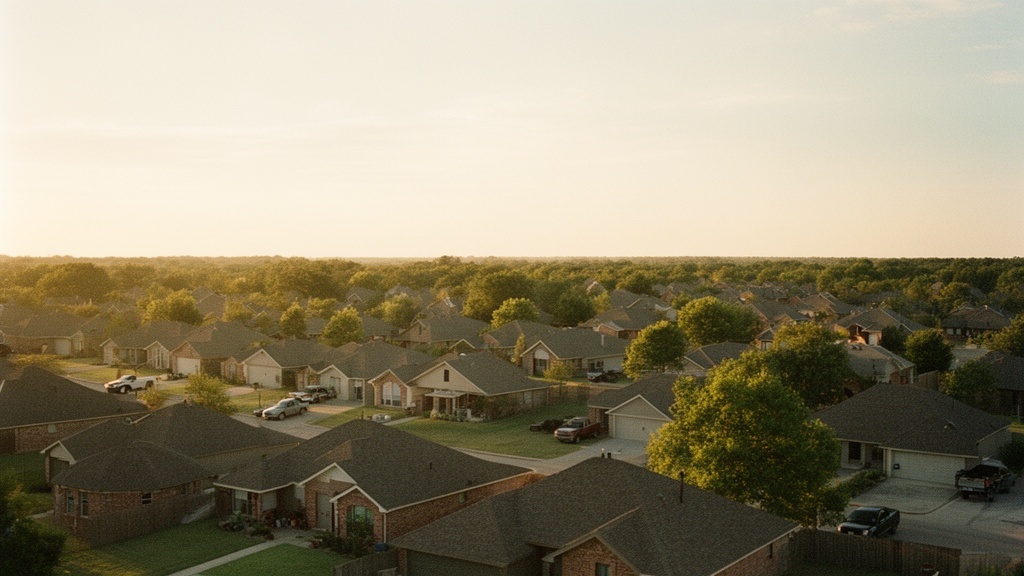
The Reading, Pennsylvania real estate market is active and competitive in September 2026. Median sale prices in the city of Reading have been tracking in the low-to-mid $200,000s, while the broader Berks County market, which includes townships like Spring Township, Muhlenberg, and Cumru, has seen medians push closer to the $280,000 to $320,000 range depending on the specific municipality and housing type.
For context on how Reading stacks up regionally, Redfin's Reading housing market data shows consistent year-over-year price appreciation, a pattern that reflects the city's position as one of the more affordable urban markets within a few hours of Philadelphia and New York City.
Current Pricing Benchmarks
Prices vary considerably depending on where in the Reading area you are looking. Within the city limits, row homes and twins in neighborhoods like Hampden Heights, Glenside, and the Northwest quadrant typically list between $150,000 and $230,000. Single-family detached homes in those same areas can run from $220,000 to $310,000 depending on lot size, updates, and proximity to Neversink Mountain or City Park.
Move into the adjacent boroughs and townships and the picture shifts. Wyomissing and West Reading command premiums, with single-family homes in Wyomissing regularly listing between $350,000 and $600,000, and some larger properties on wooded lots exceeding that range. Shillington and Sinking Spring offer a middle ground, with detached homes generally priced between $250,000 and $380,000.
Inventory and Competition
Inventory in the Reading area remains tight relative to buyer demand. Well-priced homes in move-in condition, particularly in the $200,000 to $320,000 range, are still drawing multiple offers within the first week of listing. Homes that need significant work or are priced at the upper edge of their neighborhood's range are sitting longer, sometimes 30 to 60 days or more, which gives buyers in those segments more negotiating room.
If you want a detailed look at how long homes are currently sitting before going under contract, the article How Long Are Homes Typically Sitting on the Market in Reading PA This Fall 2026 breaks that down by price tier and property type.
2. Housing Stock Across Reading's Neighborhoods
Reading's housing stock reflects the city's industrial and working-class roots going back to the late 1800s and early 1900s. The architecture is dense and varied: brick row homes built shoulder to shoulder, twin properties sharing a center wall, and occasional freestanding Victorian-era homes with wide front porches. Understanding what type of home exists where is essential before you start touring properties.
Row Homes and Twin Properties
Row homes dominate the city's central and eastern sections. These are typically two or three stories, built on narrow lots with small rear yards, and range from 1,000 to 1,600 square feet of living space. Many have been updated with modern kitchens and baths while retaining original hardwood floors and woodwork. Streets in the Glenside and Southwest neighborhoods are lined with these properties, and they represent the most accessible price point in the city, often starting below $175,000.
Twin homes, which share one party wall but have their own driveways and small side yards, are common in Hampden Heights and the Northwest quadrant. These tend to run slightly larger, from 1,200 to 1,800 square feet, and typically price between $180,000 and $260,000 depending on condition and block. The Northwest section, bordered by 5th Street Highway and running toward Neversink Mountain, contains some of the city's most intact pre-war residential architecture.
Single-Family Detached Homes
Detached single-family homes within Reading's city limits are less common but do exist, particularly in the northern sections near City Park. City Park itself, a 160-acre green space along Pendora Park Road with tennis courts, a pool, and walking trails, anchors a residential corridor where you will find bungalows and Craftsman-style homes from the 1920s and 1930s priced mostly between $220,000 and $310,000.
Buyers seeking newer construction or larger lots generally look beyond the city limits. Spring Township, which wraps around the western edge of Reading, has a mix of post-war ranches and split-levels from the 1950s through 1970s alongside more recent subdivisions built in the 1990s and 2000s. Lot sizes in Spring Township commonly run from a quarter acre to half an acre, which is a meaningful difference from the narrow city lots.
Surrounding Boroughs and Townships
The boroughs ringing Reading each have their own distinct character in terms of housing stock. West Reading, a walkable one-square-mile borough along Penn Avenue, features a dense mix of row homes, twins, and small apartment buildings, with many properties recently renovated given the borough's active commercial corridor. Shillington has a heavier concentration of mid-century Cape Cods and ranches on streets like Shillington Road and Cumru Avenue.
Wyomissing stands apart with larger Colonial and Tudor Revival homes on tree-lined streets, many of them built in the 1920s through 1950s on lots of half an acre or more. The borough's proximity to the Wyomissing Hills and Berkshire Country Club gives it a different physical feel from the denser city neighborhoods. For a deeper look at that market, the Wyomissing, Pennsylvania Real Estate Market Guide covers pricing and timing specific to that borough.
3. What Drives Prices in Reading and Berks County
Reading's price levels are shaped by a combination of regional affordability, commute access, and the local employment base. The city sits roughly 60 miles northwest of Philadelphia via the Schuylkill Expressway and Route 422, which puts it within commuting range of the Philadelphia metro while remaining significantly more affordable than Chester County or Montgomery County suburbs closer to the city.
Affordability Relative to the Region
Reading consistently prices well below the regional median for comparable square footage. A 1,400-square-foot twin in Hampden Heights that lists at $215,000 would likely be priced 40 to 60 percent higher in a comparable Montgomery County neighborhood with similar commute access. That gap has drawn buyers relocating from higher-cost markets, which has put upward pressure on Reading's prices over the past several years.
National affordability trends have made this dynamic more pronounced. As HousingWire reported based on NAR data, housing affordability dropped sharply for middle-class buyers across the country, which has pushed more buyers toward secondary markets like Reading where the entry price is still within reach for households earning between $65,000 and $95,000 annually.
Major employers anchoring the local economy include Tower Health's Reading Hospital in West Reading, the Boscov's corporate headquarters, and a cluster of manufacturing and distribution operations along Route 222 and the I-78 corridor. That employment base provides a floor of local demand independent of the Philadelphia commuter market.
Property Taxes and Carrying Costs
Property taxes in the city of Reading are higher than in most surrounding townships, which is a factor buyers need to weigh when comparing a city home to one in Spring Township or Cumru Township at a similar purchase price. The city millage rate, combined with the Reading School District levy, results in effective tax rates that can run meaningfully higher than what you would pay on a comparable home in Wyomissing or Shillington.
For a side-by-side breakdown of how taxes differ across the city and surrounding Berks County municipalities, the article What Are Property Taxes Like in Reading Pennsylvania and How Do They Compare to the Surrounding Berks County Townships walks through the numbers in detail.
4. Timing the Reading, PA Market: When to Buy and When to Sell
Timing matters in any real estate market, and Reading is no exception. The local market follows a seasonal rhythm that is broadly consistent with the national pattern, but with some local nuances worth knowing before you decide when to list or when to make an offer.
The Spring and Fall Windows
Spring, from late March through early June, is historically the most active period in the Reading market. Listings increase, buyer activity peaks, and properties in the $200,000 to $320,000 range tend to move fastest. For sellers, listing in April or May typically means more competing offers and stronger sale prices. For buyers, spring means more options but also more competition and fewer opportunities to negotiate on price or contingencies.
Fall, specifically September through mid-November, represents a secondary window that is often overlooked. Serious buyers who did not find a home in the spring return to the market, and sellers who need to close before year end are motivated. Inventory is typically lower than spring, but so is buyer competition, which can create better negotiating conditions for buyers willing to act during this window.
Why September 2026 Is Worth Watching
Right now, in September 2026, the Reading market is in that fall transition period. Interest rates have moderated compared to their 2023 peaks, which has brought some buyers back off the sidelines. At the same time, the inventory of homes priced below $280,000 inside the city remains constrained, so buyers in that range should be prepared to move quickly when a suitable property appears.
Sellers considering whether to list now or wait until spring 2027 face a real tradeoff. Listing in September and October means less competition from other sellers and a pool of motivated buyers who want to close before the holidays. Waiting until spring brings more buyer traffic but also more competing listings. The right answer depends heavily on your property type, price point, and personal timeline.
5. What Buyers and Sellers Need to Know Before They Act
The Reading market has specific characteristics that do not always show up in national real estate coverage. Knowing these details in advance can save you time, money, and frustration whether you are buying your first home or selling a property you have owned for years.
Due Diligence Specific to Reading
Older housing stock means inspections are particularly important. Many homes in the city and surrounding boroughs were built before 1960, which means buyers should budget for potential issues with knob-and-tube wiring, cast iron drain lines, older oil-fired heating systems, and roofs that may be approaching the end of their service life. A thorough inspection by a licensed Pennsylvania home inspector is not optional in this market; it is essential.
The city of Reading also has a certificate of occupancy process for resale properties that buyers should understand before closing. The city conducts an inspection when a home changes hands, and any code violations identified must be addressed before the transfer can proceed. This can affect closing timelines and occasionally purchase price negotiations, so buyers and sellers alike should factor it into their planning.
For buyers considering properties as income-producing investments rather than primary residences, the Investment Property Guide for Reading, Pennsylvania covers the rental market, zoning considerations, and what to look for when evaluating a multi-unit property in Berks County.
Working With a Local Expert
The difference between a smooth transaction and a frustrating one in the Reading market often comes down to how well your agent knows the local inventory, the quirks of specific blocks and neighborhoods, and the local transaction process. National online valuations tools can give you a ballpark, but they regularly miss the block-by-block price variations that are common in a city where one street can look very different from the next.
Sellers in particular benefit from working with someone who knows how to price accurately for the current moment. Overpricing in the Reading market, even by $10,000 to $15,000, can push a home into a longer days-on-market situation that ultimately results in a lower sale price than a correctly priced listing would have achieved from the start. For more on what that process looks like for sellers, the article Who in Reading, Pennsylvania Is Known for Getting Sellers the Highest Sale Price is worth reading before you decide how to approach your listing.
First-time buyers navigating the Reading market for the first time will find the First-Time Home Buyer Guide for Reading, Pennsylvania a useful companion to this overview, covering the purchase process, financing options, and what to expect from offer to closing in Berks County.
FAQ
What is the median home price in Reading, Pennsylvania right now?
As of September 2026, median sale prices within the city of Reading are tracking in the low-to-mid $200,000s, with the broader Berks County market, including Wyomissing, Spring Township, and Shillington, seeing medians closer to $280,000 to $320,000 depending on the municipality and property type. Row homes and twins inside the city can be found starting below $175,000, while detached single-family homes in the city's northern sections near City Park typically run between $220,000 and $310,000. The highest prices in the immediate Reading area are in Wyomissing, where larger Colonial-style homes on wooded lots regularly list between $350,000 and $600,000 or more. These figures can shift quarter to quarter, so checking current active listings and recent comparable sales with a local agent gives you the most accurate picture.
Is right now a good time to buy a home in Reading, PA?
September 2026 represents a fall market window where buyer competition is generally lower than the spring peak, which can create better conditions for negotiating terms and contingencies. Inventory of move-in-ready homes priced below $280,000 inside the city remains tight, so buyers in that range need to be pre-approved and ready to act quickly. Buyers looking at properties above $350,000 or those needing significant renovation work will generally find more room to negotiate on price and conditions. The right timing depends on your personal financial situation, how flexible you are on property type and location, and how long you plan to stay in the home. Connecting with a local agent who tracks active inventory daily gives you the clearest read on what the current moment looks like for your specific criteria.
How does Reading, PA compare to surrounding towns like Wyomissing or Shillington for home prices?
Reading's city limits offer the lowest entry prices in the immediate area, with row homes and twins starting below $175,000 and detached homes generally under $310,000. Shillington and Sinking Spring sit in a middle range, with most detached homes priced between $250,000 and $380,000, reflecting their larger lots and lower city tax rates compared to Reading proper. Wyomissing commands the highest prices in the cluster, driven by larger lot sizes, Colonial and Tudor Revival architecture, and proximity to Berkshire Country Club and the Wyomissing Hills. West Reading, while geographically small, has seen price appreciation tied to its walkable Penn Avenue commercial corridor, with renovated row homes and twins often listing in the $220,000 to $310,000 range. Property taxes also differ meaningfully across these municipalities, so the purchase price alone does not tell the full story of your monthly carrying cost.