← Back to Blog
Market Trends
Wyomissing, Pennsylvania Has the Most Experienced Real Estate Market Guide: Prices, Neighborhoods and Timing
By Adam Jacobini
Coldwell Banker Realty · DRE# RS345576
September 26, 2026 · 11 min read
Wyomissing, Pennsylvania has the most experienced real estate market in the greater Reading area, with consistently low inventory, strong price appreciation, and buyers who move quickly when the right property appears. This guide covers current prices, neighborhood characteristics, property tax context, and timing so you can make a well-informed decision whether you are buying, selling, or relocating to the area.
1. What the Wyomissing Market Looks Like Right Now
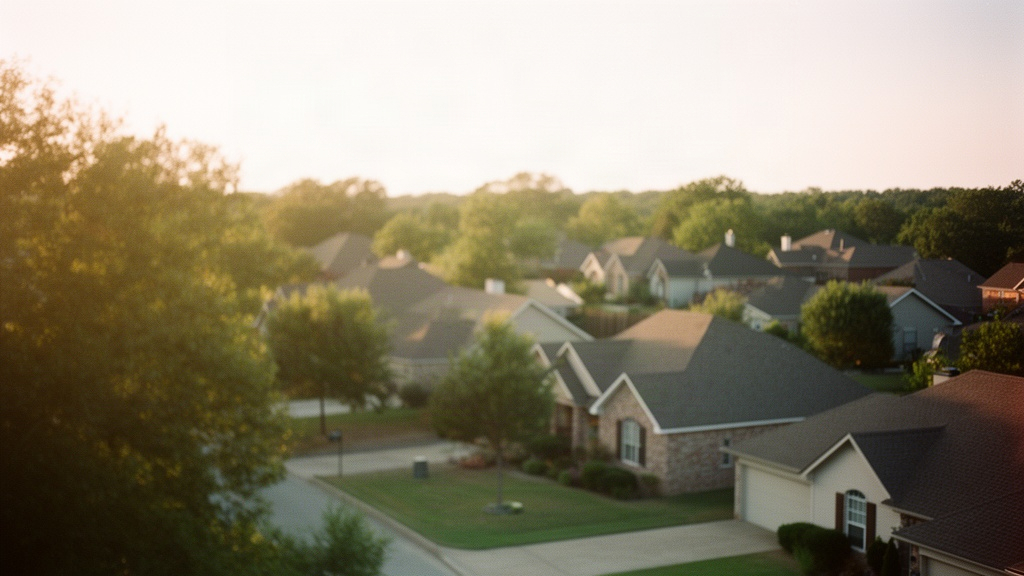
Wyomissing is one of the most active and competitive submarkets in Berks County. Demand here has stayed elevated through 2026 because the borough sits directly west of Reading, offers walkable commercial corridors, and has a housing stock that ranges from early-twentieth-century brick colonials to newer construction townhomes, all within a compact 2.5-square-mile footprint.
Median Prices in September 2026
As of September 2026, median sale prices for single-family homes in Wyomissing are tracking in the low-to-mid $300,000s, with well-maintained colonials and cape cods on the borough's quieter residential streets often closing in the $280,000 to $360,000 range. Larger four-bedroom homes on corner lots or with finished basements and two-car garages regularly push past $400,000. Townhomes and attached units along the Penn Avenue and Wyomissing Boulevard corridors tend to close between $220,000 and $290,000, making them a common entry point for buyers coming from the Reading city market.
For broader context, the Pennsylvania Association of Realtors has documented that Pennsylvania home prices increased 57.3% over a recent five-year period, and Wyomissing has tracked at or above that statewide appreciation curve given its location and limited land for new construction.
How Fast Homes Are Selling
Correctly priced homes in Wyomissing are routinely going under contract within seven to fourteen days in September 2026. Properties that are staged well and hit the market on a Thursday or Friday regularly see multiple offers by the following Monday. Homes that sit longer than three weeks are almost always priced above what the current buyer pool will support, or they have a condition issue that needs to be addressed before listing.
If you want a broader look at how days-on-market patterns are playing out across the Reading area this fall, the article on how long homes are sitting on the market in Reading PA this fall 2026 gives useful context for comparing Wyomissing to surrounding neighborhoods.
Inventory and Competition
Wyomissing's inventory problem is structural, not cyclical. The borough is essentially built out. There are very few vacant parcels large enough for new single-family construction, which means nearly every home that comes to market is a resale. When a well-kept property in the $300,000 to $380,000 range appears, it draws attention from buyers who have already lost out on similar homes elsewhere in the borough. Active listing counts in Wyomissing at any given moment in 2026 rarely exceed fifteen to twenty properties across all price points.
2. Wyomissing Neighborhoods: What the Housing Stock Actually Looks Like
Wyomissing's housing stock is one of the most architecturally varied in Berks County for a borough of its size. Understanding what you will actually find in different parts of the borough helps you set realistic expectations before you start touring homes. The borough borders Reading to the east, Spring Township to the north and west, and West Reading to the northeast, so the physical location of a home within Wyomissing affects both its character and its walkability to shops and services.
Older Established Streets Near the Borough Core
Streets like Wyomissing Boulevard, Grandview Boulevard, and the blocks radiating off Museum Road near the Wyomissing Institute of Fine Arts contain homes built primarily between 1910 and 1950. These are mostly brick or stucco colonials and Tudor-style houses with deep front porches, mature oak and maple trees, and lots ranging from 6,000 to 12,000 square feet. Interior square footage on these homes is typically 1,600 to 2,400 square feet, with three or four bedrooms and one and a half to two bathrooms in the original layout.
Updated kitchens and bathrooms are the biggest value drivers on these streets. A home with original 1940s bathrooms and a galley kitchen will price noticeably lower than an identical floor plan that has been renovated, and that spread can be $40,000 to $70,000 depending on the quality of the work. Buyers who are comfortable doing cosmetic updates can find real value here.
Wyomissing Hills and the Larger Lot Areas
The sections of the borough that border Spring Township to the north and west include homes built from the 1950s through the 1980s on larger lots, often a quarter acre or more. Ranch homes, split-levels, and center-hall colonials dominate this portion of the borough. These homes tend to have attached two-car garages, full basements, and more outdoor space than the older borough-core properties.
Square footage in this segment runs from about 1,800 to 3,200 square feet, and prices reflect the additional space and parking. A well-maintained four-bedroom split-level with a finished basement and a two-car garage in this part of Wyomissing will typically list in the $350,000 to $430,000 range in September 2026. These properties attract buyers who need more square footage and outdoor space than the older borough-core homes provide.
Townhome and Condo Options
Wyomissing has a meaningful supply of attached housing along its commercial corridors and near the Penn Square shopping area. These units are popular because they place residents within walking distance of grocery stores, restaurants, and services along Penn Avenue and nearby Berkshire Boulevard. Townhomes in this segment are typically two or three stories, with 1,200 to 1,800 square feet, two to three bedrooms, and one-car garages or assigned parking. Condo fees vary by complex but commonly run between $150 and $350 per month and cover exterior maintenance, landscaping, and sometimes water and sewer.
For buyers comparing Wyomissing to the adjacent borough of Shillington, which also offers a mix of older single-family homes and attached housing at slightly lower price points, the Shillington real estate market guide is worth reading alongside this one.
3. Property Taxes, Costs, and What Buyers Should Budget
Property taxes are one of the most common surprises for buyers relocating to the Wyomissing area from other states. Pennsylvania uses a millage-rate system, and your total bill combines the borough rate, the county rate, and the school district rate. Knowing how these layers interact before you make an offer is important for accurately calculating your monthly housing cost.
How Wyomissing Taxes Compare in Berks County
Wyomissing Borough sits within the Wyomissing Area School District. The combined millage rate for a Wyomissing Borough property in 2026 typically produces an effective tax rate in the range of 1.8% to 2.2% of assessed value, depending on the most recent assessment for that specific parcel. On a home assessed at $300,000, that translates to roughly $5,400 to $6,600 per year in property taxes. Assessed values in Berks County are not always equal to market value, so it is worth pulling the actual assessment record for any home you are seriously considering.
For a detailed breakdown of how Wyomissing compares to Reading city, Spring Township, and other surrounding municipalities, the article on property taxes in Reading PA and Berks County townships walks through the millage differences municipality by municipality.
What Closing Costs Look Like Here
Pennsylvania is one of the higher closing-cost states in the country, primarily because of the state and local transfer taxes that apply to real estate transactions. In Wyomissing, the combined transfer tax is 2% of the sale price, split between buyer and seller unless negotiated otherwise. On a $330,000 purchase, that is $6,600 in transfer tax alone, before lender fees, title insurance, recording fees, and prepaid items.
Total buyer closing costs in Wyomissing typically land between 3% and 4% of the purchase price when you include lender origination fees, appraisal, title work, and prepaid escrow items. On a $330,000 home, that is roughly $9,900 to $13,200 in cash needed at closing beyond your down payment. The guide on closing costs when buying a home in Reading, Pennsylvania covers each line item in detail so you are not caught off guard at the settlement table.
4. Timing the Wyomissing Market: When to Buy and When to Sell
Timing matters in Wyomissing more than in many surrounding townships because inventory is so thin. A buyer who waits for the right season can end up waiting months for a suitable home to appear, while a seller who lists at the wrong time risks sitting on the market longer than necessary. Understanding the seasonal rhythms of this specific market helps both sides make smarter decisions.
The Spring Surge and What It Means for Buyers
March through June is when Wyomissing sees its highest listing volume and its most intense buyer competition. More homes come to market in spring, but so do more buyers. Multiple-offer situations are most common during this window, and homes frequently close at or above asking price. Buyers who are pre-approved and have already toured similar properties are much better positioned to act decisively when a new listing appears.
The trade-off for spring buyers is that you will pay near-peak prices and face the most competition. If your priority is selection, spring gives you the most options. If your priority is negotiating leverage, other seasons are worth considering.
Fall and Winter Opportunities
Right now in September 2026, Wyomissing is in the early fall window, which historically offers a meaningful opportunity for buyers. Sellers who listed in spring and did not sell are often more willing to negotiate on price or terms. New fall listings tend to come from sellers who have a genuine reason to move before year-end, which creates motivated counterparts across the table. Buyer competition is lighter than in spring, and while inventory is still thin, the buyers who remain active are serious.
November and December see the lowest listing counts of the year in Wyomissing. Homes that come to market during this period are almost always from sellers who need to move, and buyers who are pre-approved and flexible on closing dates can sometimes negotiate concessions that would not be available in spring. The downside is that your choices are extremely limited.
Seller Timing Considerations
For sellers, late March through May has historically produced the strongest sale prices and the fastest contracts in Wyomissing. Listing in this window means your home hits the market when buyer demand peaks and before competing spring inventory fully saturates the market. Sellers who list in September and October still find active buyers, particularly in the $280,000 to $380,000 range where demand remains consistent year-round.
If you are weighing whether to list now or wait until spring 2027, the article on whether to sell your Reading area home now or wait until spring 2027 works through the trade-offs in detail.
5. Relocating to the Reading Area and Choosing Wyomissing
Wyomissing is one of the most common landing spots for people relocating to the greater Reading area, and for practical reasons. The borough is compact, walkable in parts, and surrounded by services. Penn Square, the Berkshire Mall area, and the commercial stretch along Penn Avenue put grocery stores, restaurants, and retail within a short drive or walk of most residential streets. The Reading Regional Airport sits about four miles north in Bern Township, and Interstate 176 and the Morgantown Expressway provide direct access to the Pennsylvania Turnpike.
Commute and Location Advantages
Wyomissing sits immediately west of Reading, separated by the Schuylkill River. From most residential streets in the borough, you can reach downtown Reading in under ten minutes by car. The Route 422 corridor connects Wyomissing to Pottstown and eventually to the Philadelphia suburbs, making it a reasonable base for workers who commute toward King of Prussia or the western Philadelphia metro. The drive from Wyomissing to the King of Prussia interchange area runs approximately 45 to 55 minutes under normal conditions.
Allentown is roughly 35 miles northeast via Route 222 and Route 78, typically a 40-minute drive. Lancaster is about 30 miles southeast via Route 222, running 35 to 45 minutes depending on traffic through the Morgantown area. These commute options make Wyomissing a reasonable hub for workers whose employers are spread across the South-Central Pennsylvania and Greater Philadelphia region.
What to Research Before You Commit
Before committing to Wyomissing specifically, relocating buyers should do their own research on the topics that matter most to their household. For school information, the Pennsylvania Department of Education's School Performance Profile at education.pa.gov publishes data on individual schools and districts that you can review directly. For demographic and census data, the U.S. Census Bureau's data.census.gov tool lets you look up Wyomissing Borough specifically.
For market data on active listings, recent sales, and price trends, NeighborhoodScout's Wyomissing real estate data page provides detailed metrics on appreciation rates, housing stock composition, and ownership versus rental ratios that are useful for both buyers and investors evaluating the borough.
If you are relocating from outside the area and want a structured way to approach finding a home in Reading and its surrounding boroughs, the article on who to call first when relocating to Reading, Pennsylvania outlines the steps that make the process smoother from a distance.
FAQ
What is the median home price in Wyomissing, PA right now?
As of September 2026, the median sale price for single-family homes in Wyomissing is in the low-to-mid $300,000s, with a typical range of $280,000 to $360,000 for three- and four-bedroom colonials and cape cods. Larger homes with finished basements and two-car garages on bigger lots can push past $400,000. Townhomes and attached units are generally available between $220,000 and $290,000, which is a common entry point for buyers transitioning from the Reading city market. Prices have appreciated steadily through 2026, consistent with the broader statewide trend of strong appreciation over the past five years.
Is Wyomissing a competitive market for buyers?
Yes, Wyomissing is one of the more competitive submarkets in Berks County because the borough is essentially built out and resale inventory is limited. At any given time in 2026, there are rarely more than fifteen to twenty active listings across all price points in the borough. Correctly priced homes in the $280,000 to $380,000 range routinely go under contract within seven to fourteen days, and multiple-offer situations are common during the spring selling season. Buyers who are pre-approved and have a clear sense of what they want are in a much stronger position to act when the right property appears.
How do Wyomissing property taxes compare to other parts of Berks County?
Wyomissing Borough properties are subject to the borough tax rate, the Berks County rate, and the Wyomissing Area School District rate, which together typically produce an effective rate in the range of 1.8% to 2.2% of assessed value in 2026. On a home assessed at $300,000, that works out to roughly $5,400 to $6,600 per year. Berks County assessed values are not always equal to current market value, so buyers should pull the actual assessment record for any property they are seriously considering. Comparing this rate to Reading city and surrounding townships like Spring Township or Lower Heidelberg can help buyers make a more informed decision about where to purchase.